
Our ‘Why’



Too many young people in the Northern Rivers are being left behind.
They leave school early, not because they want to, but because life gets in the way - housing instability, family pressure, mental health struggles, or feeling like school was never built for them.
And when they do leave, there’s rarely a clear path forward. Training options are limited, transport is unreliable, and job prospects can feel out of reach.
Youth unemployment in the Northern Rivers has been stubbornly high for more than a decade, sitting around 11% in earlier years - nearly triple the general unemployment rate, which is currently around 4%.
Across regional NSW, only about 81–85% of early school-leavers are in education, training or work. This means as many as one in five are not engaged at all. Even among those who re-enter training, only half are earning above minimum wage by age 24, and very few make it to university.

Then came the floods.
The 2022 and 2023 disasters devastated Lismore and surrounding towns, destroying thousands of jobs, closing businesses, and displacing families. Many young people lost not only their homes but also their confidence, transport, and access to training. Today. the region is still rebuilding, and so are its young people.
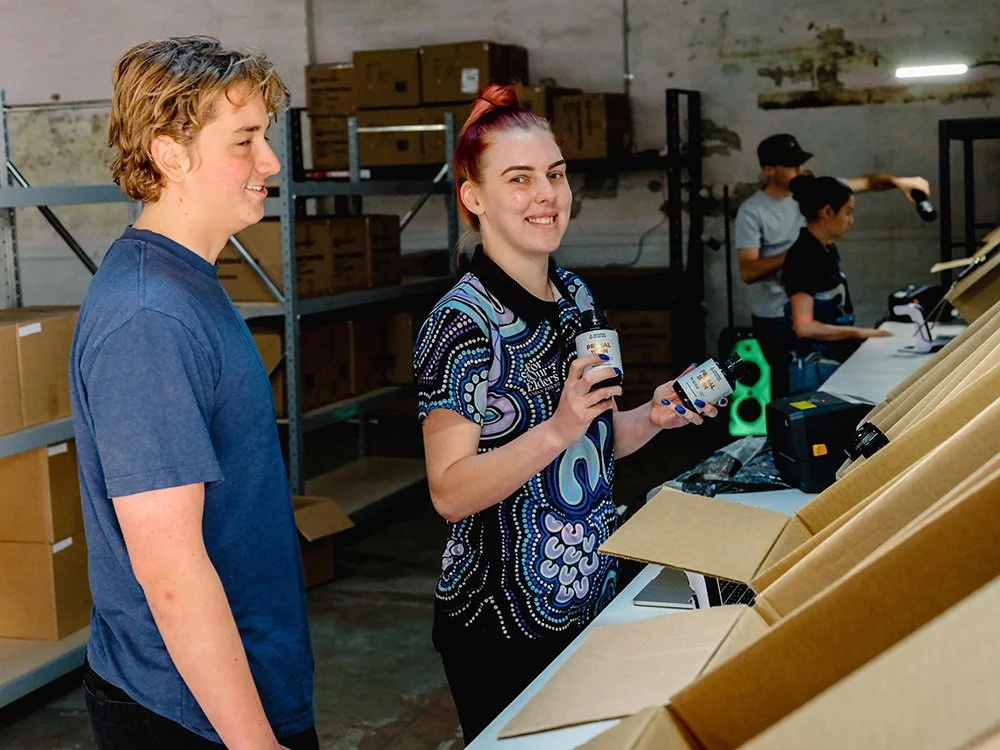

NextShip was created to be part of that recovery.
Because employment can change everything. A job isn’t just money in the bank. It’s structure, self-belief, and a reason to get up in the morning. It’s being seen, supported, and backed.
When young people are given the right support and a real opportunity, they show up. They learn, contribute, and start to build a life they can be proud of. That’s why NextShip exists. To create those opportunities, one job at a time, and to help rebuild both futures and community strength here in the Northern Rivers.
Proven model of success.
For decades jobs-focused social enterprises have been creating jobs for people with complex barriers, with no consistent funding from government. Research from White Box Enterprises, one of the country’s leading intermediaries in the sector found that:
1. People stick with it.
When someone gets a job through a social enterprise, they're 2.5x more likely to still be working a year later. That’s not just within the enterprise, it includes moving on to other mainstream jobs too.
In fact, 67% were still earning award wages after 12 months, compared to just 26% through traditional Disability Employment Services (DES). That’s a huge difference and it shows people aren’t just getting jobs, they’re building careers.
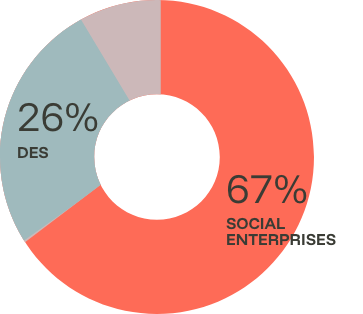
People earning award wages after 12 months
2. It puts real money in people’s pockets.
In their first year, people working through a social enterprise earned an average of $17,000. Those relying on DES? Just $3,050.
That’s life-changing income and it matters. 64% said their financial situation improved because when you’re properly paid and supported, things start to look up.
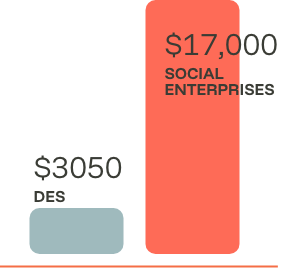
Average annual income, social enterprise & DES
3. Life gets better too.
It’s not just about the job. 98% said their life improved after joining a social enterprise.
From gaining confidence to learning new skills and making real friendships at work, the benefits run deep.

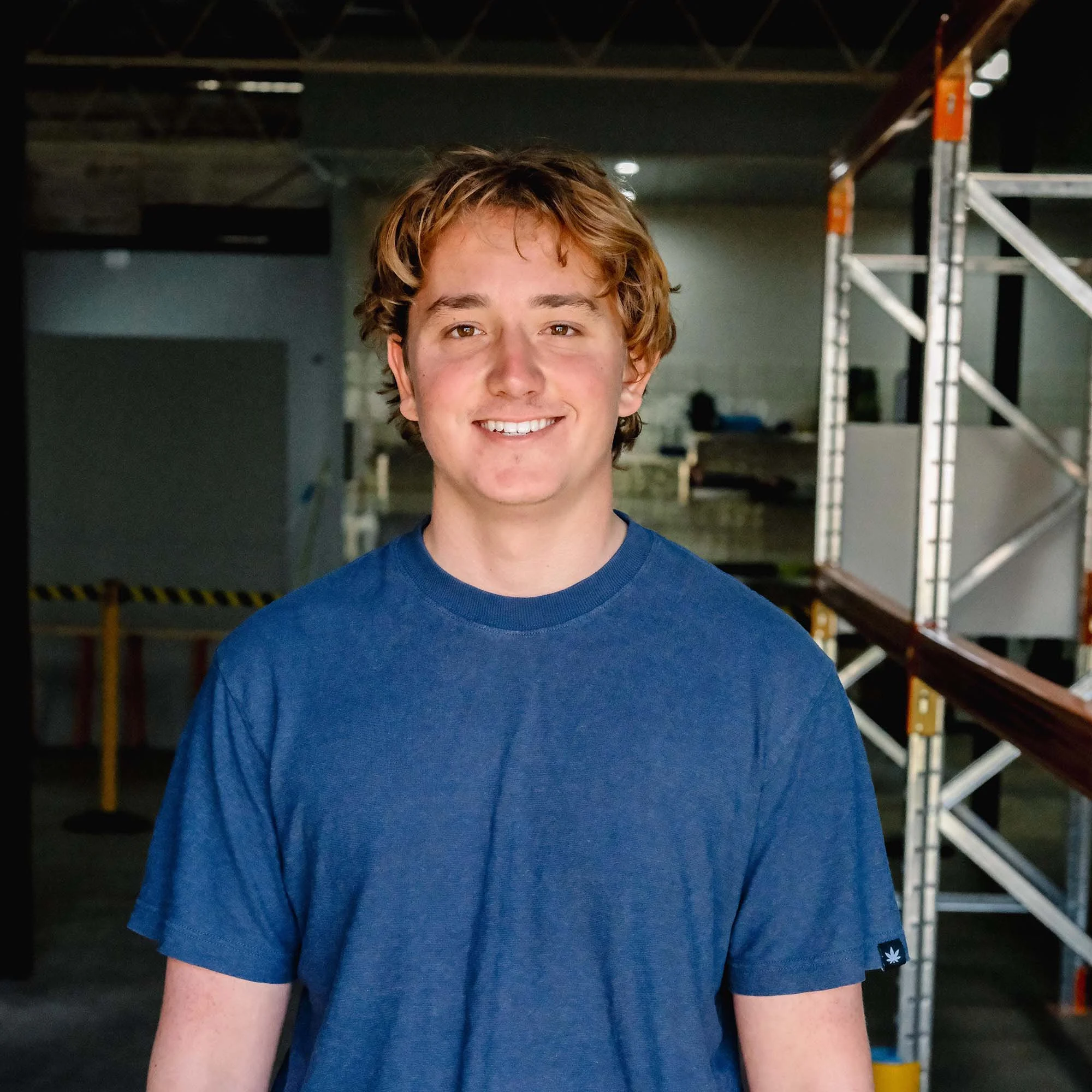
Employee Spotlight
Meet Jack, our Warehouse Supervisor. He’s a young leader who’s helped transform an empty space into a thriving operational warehouse.